01
Skip the spray routine
A light and electric-grid design offers an alternative to spraying chemicals around your space.
ZapShield Bug Zapper
Powerful, portable insect control.
Without chemical sprays.
From slow evenings at home to a little time outdoors, make room for the moments that matter.
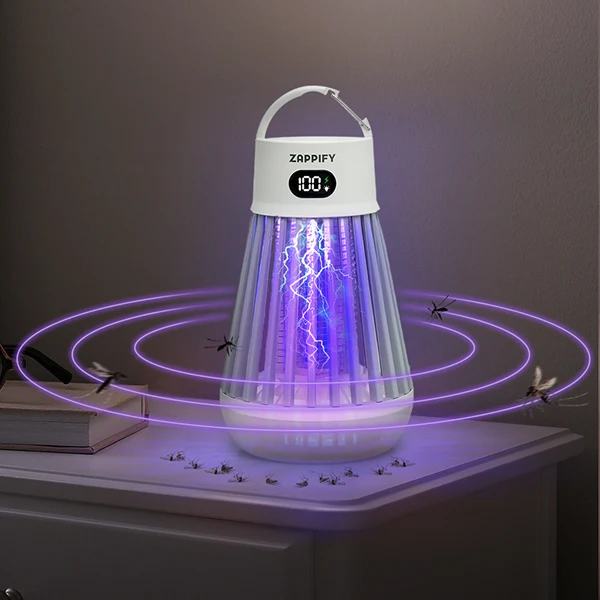
Keep things simple with a portable, light-based approach.
Thoughtfully placed. Easily part of your routine.
A light and electric-grid design offers an alternative to spraying chemicals around your space.
The illuminated center attracts certain flying insects toward the enclosed grid. Results depend on species and placement.
A compact shape and carry handle make moving between suitable spaces feel straightforward.
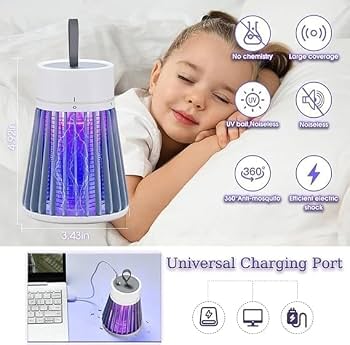 PRODUCT FEATURES & CHARGING REFERENCE
Start with the instructions supplied with your device. Then make these three habits part of your routine.
Use the specified charging cable and power source. Inspect the device and read the manual before switching it on.
Choose a dry, stable place away from children, pets, exposed food, and competing bright lights.
Operate as instructed. Power off and disconnect before cleaning, allowing the required discharge time.
At home or outside where your model’s instructions allow.
Find a thoughtful place for ZapShield in your routine.
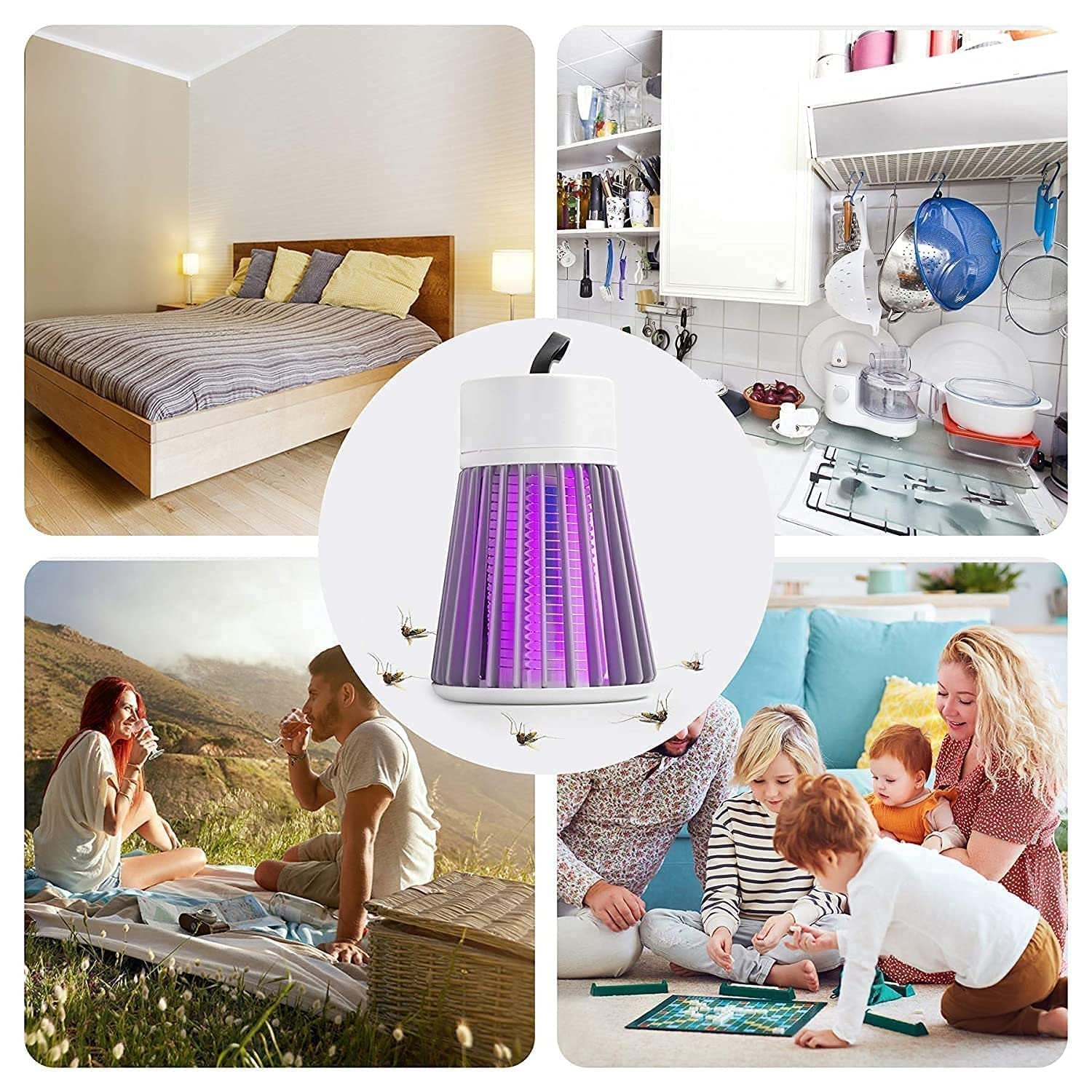
Keep it separate from food and sleeping areas, and choose a safe spot that works with your room.
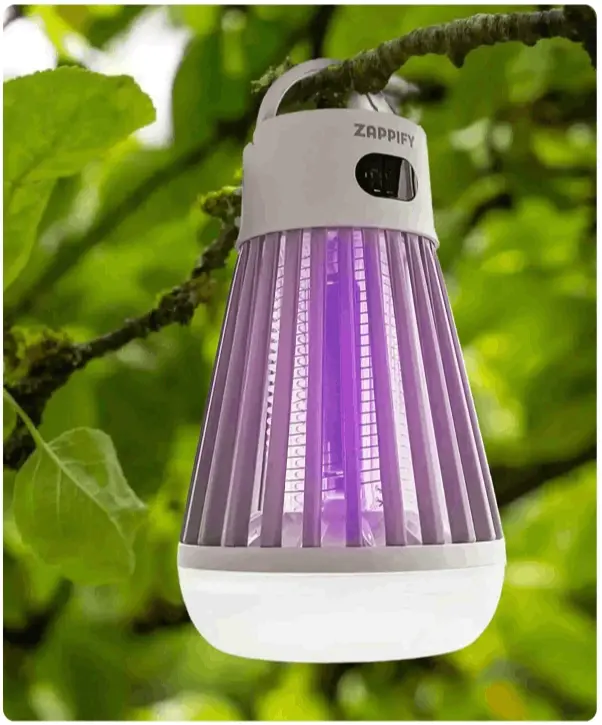
Check your model’s outdoor-use rating first. Always protect the device from rain and moisture.
A quiet evening at home, a relaxed meal, or a little time on the patio should feel simple. Flying insects can interrupt those moments, and reaching for a chemical spray is not always the approach you want. ZapShield brings a different option into your routine: a portable bug zapper that uses light and an enclosed electric grid rather than a spray applied around your living space. The product references show a compact lantern-style device with a protective outer cage, an illuminated center, and a handle for carrying or hanging. Its appeal is straightforward: choose a suitable spot, switch it on according to its instructions, and let it operate while you enjoy the surrounding space. Think of it as one part of thoughtful insect management, not a promise that every insect will disappear. Species, room layout, surrounding light, and placement all influence the result. Start with realistic expectations and a setup that suits your home.
A light-based bug zapper is designed to attract certain flying insects toward its illuminated center. When an insect reaches the energized grid, electrical contact can kill it. The protective cage creates a physical barrier around that grid, but it does not make the device a toy or remove the need for sensible precautions. Different insects respond differently to light, and mosquitoes also use cues such as carbon dioxide, body heat, and scent to find people. For that reason, a glowing zapper should not be treated as guaranteed protection from bites or insect-borne illness. It can be a useful addition to a broader routine that includes screens, closed doors, clean surfaces, and removing standing water. The purple glow in the supplied product images communicates the light-based design; illustrated rings and lightning effects are visual presentation, not a measured coverage area. Check the actual product manual for technical specifications before deciding where and how to use it.
Before the first use, take a moment to inspect the housing, handle, protective cage, charging connection, and any accessories included with your unit. Look for cracks, bent parts, loose connections, or signs of damage from shipping. Do not power a device that appears damaged. Read the manufacturer’s instructions fully, especially the information about charging, operating modes, placement, and cleaning. Product images may show a battery display or a USB charging arrangement, but different versions can have different controls and specifications. Use the instructions supplied with your particular unit rather than guessing from a photograph. Identify the power switch and understand how the indicator behaves before choosing a permanent spot. Keep packaging and the manual accessible until you have confirmed that everything is working correctly. This initial check takes only a little attention and helps you avoid preventable problems later. If something is unclear, consult the seller’s product information before connecting power or operating the device.
If your ZapShield model is rechargeable, begin by charging it using the cable and power source specified by its manufacturer. Set the device on a dry, stable surface where the charging cable will not be pulled, trapped under furniture, or walked over. Keep the connection away from sinks, damp counters, and open drinks. Do not assume that any adapter is suitable simply because a connector fits; voltage and current requirements should match the instructions. Follow the indicated charging process and stop using the cable if you see damaged insulation or a bent connector. A display can help you monitor the device, but a photo showing a full battery is not a promise of a particular runtime. Battery life depends on the model, selected mode, battery condition, and operating conditions. Only operate while charging if the manual explicitly permits it. Once charging is complete, disconnect as instructed and put the cable somewhere dry and easy to find for your next session.
Placement is one of the most useful adjustments you can make. Choose a stable, dry location with sufficient clearance around the device and keep it away from curtains, loose fabric, papers, and other materials that could touch the housing. Avoid putting it directly beside a bright lamp, because competing light can affect insect attraction. Do not position it immediately next to your face, a pillow, a baby’s cot, or an exposed plate of food. Instead, select a separate location that fits the clearance and placement guidance in the manual. Keep the device beyond the reach of children and pets, and never rely on the protective cage alone as a safety measure. If using the handle to hang it, make sure both the handle and support are suitable and secure. A photograph of a hanging product illustrates a possible arrangement, not approval for every branch, hook, or outdoor condition. Reassess the location whenever your environment changes.
For indoor use, start by reducing the reasons insects enter and remain in your room. Close unscreened windows where practical, repair damaged screens, and avoid leaving doors open for long periods. Clear food scraps, rinse sticky containers, and keep rubbish covered. Then place ZapShield in a suitable location and operate it according to the supplied instructions. A bedroom, living room, or other permitted indoor area may be a practical setting, but do not assume the device is completely silent or that its light will suit every sleeper. Electrical contact can make a sound, and an illuminated center may be noticeable in a dark room. Test the placement while you are awake so you can decide whether it fits your routine. Never cover the device to block the glow, as covering can interfere with operation and safety. Keep normal ventilation and follow the manufacturer’s directions on unattended use. A little preparation makes the device easier to incorporate into everyday life.
The supplied lifestyle image places the product within a kitchen setting, but food areas need thoughtful positioning. A bug zapper should not sit over food preparation surfaces, uncovered ingredients, cookware, or a dining table where insect debris could fall. Keep it separate from exposed food and away from water, steam, grease, and heat sources. Clean counters and remove crumbs before switching it on; a zapper cannot replace good kitchen hygiene. In a dining space, a nearby but separate location can be more sensible than placing the device between plates. Check the manual for any restrictions on use around food and follow local hygiene requirements if you are using the product in a business. After use, clean the unit as instructed and wash your hands after handling collected insect debris. The objective is to support a more comfortable environment without introducing another problem. Good placement and consistent housekeeping work together, while the device serves as an additional tool rather than the whole solution.
Portability makes it appealing to bring a bug zapper to a patio, garden gathering, or picnic. Before doing so, confirm that your exact model is rated for the intended outdoor conditions. An outdoor product photo does not establish a waterproof rating, and a handle does not mean the unit can be left in rain. Protect the device from moisture, unstable surfaces, and accidental knocks, and do not use it outdoors if the instructions prohibit it. Place it away from the area where people are sitting rather than trying to attract insects directly toward the group. Be mindful that light-based zappers can attract insects other than the pests you are targeting, including beneficial species. Use only where appropriate and avoid unnecessary all-night operation. For mosquitoes, combine sensible clothing, approved personal protection where needed, and eliminating standing water. A portable electric zapper is not a substitute for proven bite-prevention measures. Bring the unit back to a dry, safe storage location after the session.
Regular maintenance helps keep the device ready for its next use. Always turn it off, disconnect it from external power, and follow the manufacturer’s waiting period before cleaning. Electrical components can require time to discharge, so switching off is not permission to immediately touch the internal grid. Never insert fingers, metal utensils, or improvised tools through the protective cage. If your unit includes a removable collection tray, empty it in the way described in the manual. Use only the cleaning tools and methods that are approved for your model. Do not rinse the device, immerse it, or spray liquid into the electrical components unless the instructions specifically permit that procedure. Remove collected debris carefully, dispose of it hygienically, and make sure all parts are dry and correctly reassembled before use. Inspect the cage and charging area as you clean. If anything is cracked, loose, or damaged, stop using the product until the issue has been properly addressed.
If you are not seeing the result you expected, check the basics first. Confirm that the unit is charged or connected as instructed, that the correct operating mode is selected, and that the light is functioning. Review your placement: strong nearby lighting, obstructed airflow around the cage, or an unsuitable location can make a difference. Clean away accumulated debris using the approved procedure. Then look at the environment itself. A constantly open door, damaged window screen, or standing water nearby can keep introducing insects faster than a single device can address them. Remember that not every insect is strongly attracted to the same light, so a low number of catches does not necessarily mean the device has failed. Do not bypass the protective housing or attempt electrical repairs to improve performance. If the unit will not power on, smells unusual, becomes unexpectedly hot, or shows visible damage, disconnect it safely and seek the seller’s guidance rather than continuing to experiment.
A portable insect-control device still contains an energized grid and should be handled with the same care you would give other electrical equipment. Explain to everyone in the household that it is not to be touched internally, carried while operating unless permitted, or treated as a plaything. Put it somewhere children and pets cannot reach or knock it over. Secure charging leads so they do not create a trip hazard or an attractive object to chew. Keep the unit away from flammable vapors and follow all warnings supplied with the product. People who are concerned about bright light, operating sounds, or the suitability of the device for their particular circumstances should review the specifications before use. Store it switched off, dry, and protected from impact. These practical habits matter more than any promotional image. The goal is not simply to turn on a light; it is to use the complete product responsibly, in an environment where its limitations and safety requirements are understood.
The best insect-control routine is usually a combination of small, repeatable actions. Maintain screens, keep bins closed, clean up spills promptly, and regularly check plant saucers, buckets, and other places that can collect standing water. Use ZapShield as an additional light-based tool where its instructions allow, and adjust placement as your room or outdoor setup changes. Before ordering, review the seller’s current specifications, included accessories, charging requirements, outdoor-use rating, and care instructions. This page intentionally does not quote prices, battery duration, coverage measurements, or unverified performance percentages, because those details should come from the current listing for the exact model. The order button takes you directly to the supplied website, where you can review the available product and purchase information. If a compact, portable alternative to chemical sprays fits your needs, begin with careful setup and realistic expectations. Comfortable moments come from a well-considered routine, and that routine starts with understanding the device you bring into your space.
A note on responsible use
Always follow the manual for your exact model. Product illustrations are not verified coverage, runtime, waterproofing, or bite-prevention claims.
Get familiar before you switch on.
The light-and-electric-grid approach shown in the product references does not require spraying an insecticide into the surrounding air. Follow the instructions for your exact model and keep up normal cleaning and insect-prevention habits.
Use it only in environments approved by the manufacturer. Outdoor imagery is not proof of waterproofing. Check the exact model’s rating, protect it from moisture, and never leave an indoor-only unit outside.
Choose a dry, stable location away from children, pets, curtains, exposed food, and competing bright lights. Follow the manual’s clearance requirements and avoid placing it immediately beside people.
Switch off, unplug, and wait for the discharge period stated in the manual. Empty any removable tray as directed. Never touch the grid, insert metal objects, or immerse the device unless the manufacturer explicitly permits it.
No. Attraction and performance vary by insect species and surroundings. Do not rely on a light-based zapper for protection against insect-borne disease; use appropriate bite-prevention measures.
Use any Order ZapShield button on this page to visit https://bug-zapper.site/. Review the current product details, included accessories, and seller terms there before purchasing.
Discover a portable approach to insect control.
Explore ZapShield and find out if it fits your space.